Cashout Psychology

Illusion of Control in Aviator Crash Gambling: Psychology & Tips

Learn how the illusion of control affects Aviator crash gambling. Understand the cognitive bias, game mechanics, and practical tips to make rational betting decisions.

The Psychology of Illusion of Control in Aviator Crash Gambling

The illusion of control in Aviator crash gambling refers to the cognitive bias where players mistakenly believe they can influence or predict the random crash point, despite the outcome being entirely determined by a provably fair algorithm. This psychological phenomenon, rooted in gambling psychology, leads players to overestimate their ability to affect game results through actions like timing their cash-out or employing personal strategies. Understanding this bias is crucial for making more rational betting decisions and avoiding common pitfalls.

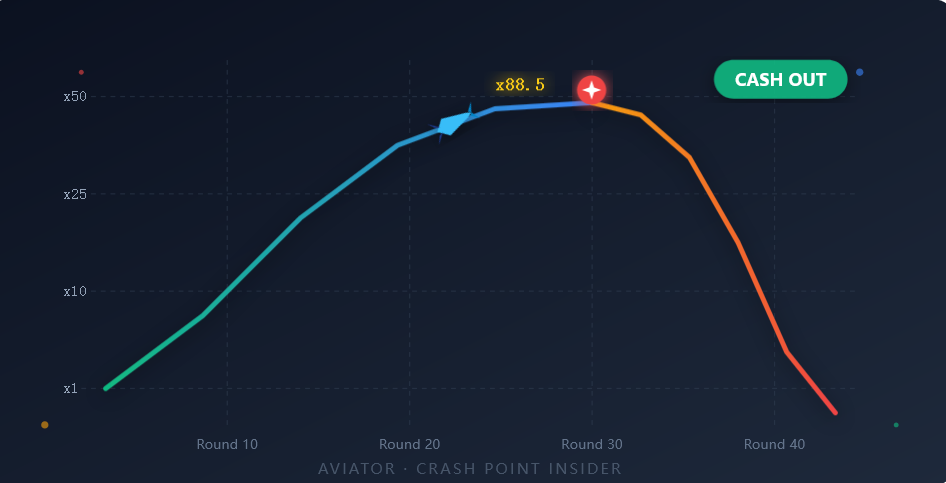
Aviator crash point insider blog illustration showing a stylized airplane flying over a digital graph with a rising multiplier line and crash indicator, 531x476 PNG graphic for betting strategy content.

How Aviator Game Mechanics Create a False Sense of Influence

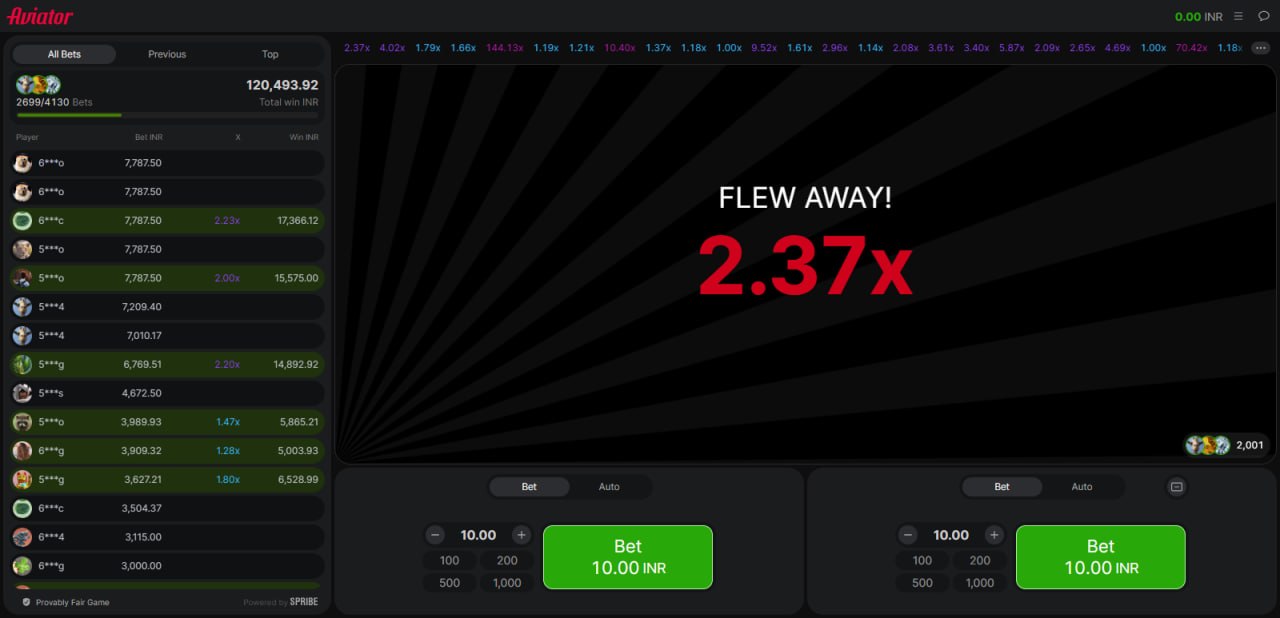
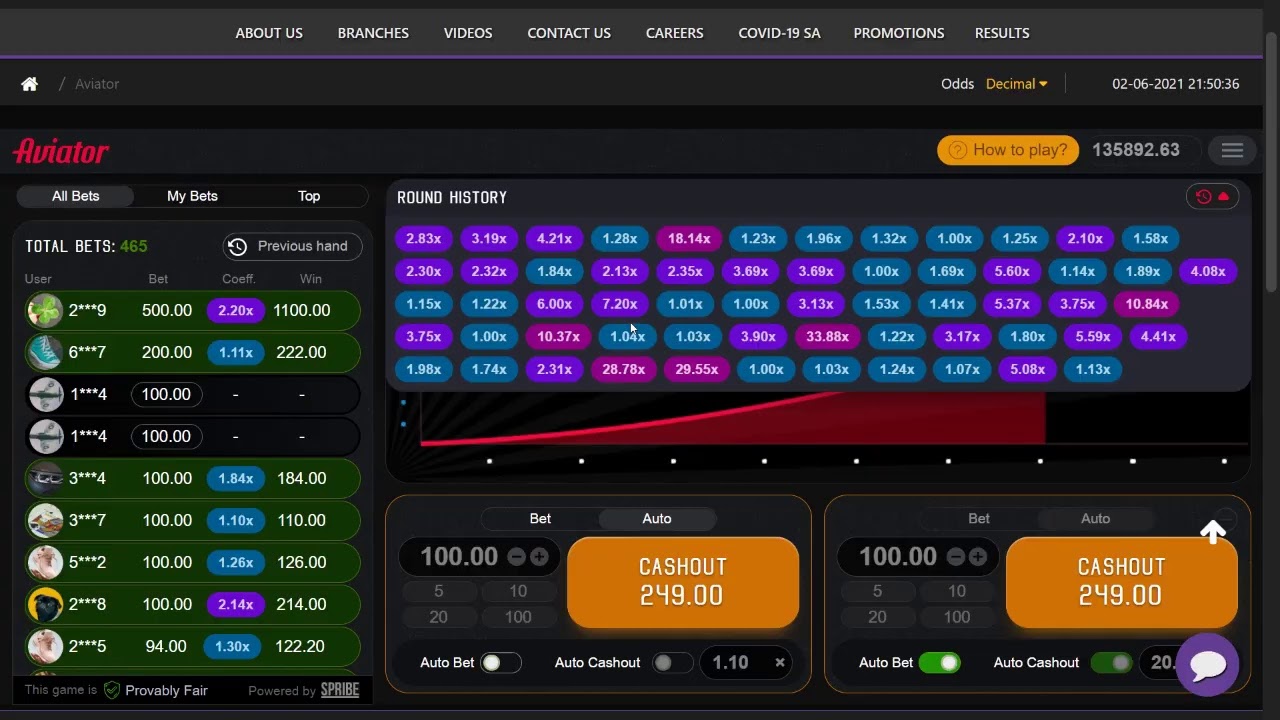
The design of Aviator crash games is deliberately crafted to foster an illusion of control. The game presents a plane that flies upward, with a multiplier increasing over time. Players must decide when to cash out before the plane crashes, but the crash point is generated randomly by a cryptographic algorithm. This randomness is fundamental: no player action, past outcomes, or external factors can alter the crash point.

The Role of the Cash-Out Button in Reinforcing Control

The cash-out button is the primary tool that reinforces the illusion of control. When a player clicks this button, they receive their winnings based on the current multiplier. This action creates a false sense of causality: the player believes their decision to cash out directly influenced the outcome. However, the crash point is predetermined and independent of any player input. Behavioral conditioning occurs because successful cash-outs (where the player exits before a crash) are rewarded, strengthening the belief that the player's timing is skillful.

Visual and Audio Cues That Mislead Players

Aviator uses visual and audio feedback to enhance emotional engagement and mislead players. The rising multiplier graphic creates anticipation, while sound effects at cash-out or crash points trigger emotional responses. These sensory cues can make players feel more involved and in control than they actually are. The combination of visual progression and auditory feedback can trick the brain into perceiving patterns or influence where none exist.

Common Player Behaviors That Reinforce the Illusion

Players often develop behaviors that reinforce the illusion of control, such as chasing losses by increasing bets after a crash, timing bets based on perceived patterns, or developing superstitions like specific cash-out numbers. These behaviors stem from a cognitive need to impose order on random events.

The "Near Miss" Effect in Crash Games

The near miss effect occurs when a player cashes out just before a crash, or when the crash happens right after they cash out. In the first scenario, the player feels they made a skillful decision. In the second, they feel they were "close" to winning, which can increase frustration and persistence. This effect tricks players into believing they can improve their timing through practice, despite the outcome being random.

Overconfidence and the Gambler's Fallacy

Overconfidence bias leads players to overestimate their ability to predict crash points. The gambler's fallacy—believing that past crashes influence future ones—also plays a role. For example, after a series of early crashes, a player might bet larger, thinking a late crash is "due." These irrational beliefs are common and can lead to significant losses.

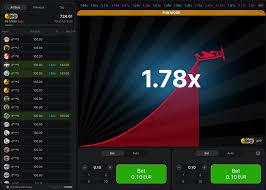
Aviator crash point insider graphic showing a dramatic airplane crash moment with a rising multiplier and a red arrow pointing to the exact crash point on a dark background, 522x449 pixels, designed for blog content about game strategy.

Scientific Evidence on Illusion of Control in Crash Games

Research on cognitive biases in gambling provides strong evidence for the illusion of control in crash games. Studies show that players who are given more choices (like when to cash out) feel more in control, even when outcomes remain random. In crash games, the act of choosing a cash-out time creates a sense of agency that is not supported by the game's mechanics.

Key Psychological Experiments and Findings

Classic experiments by Ellen Langer (1975) demonstrated that factors like choice, competition, and familiarity can inflate perceived control. In modern crash game studies, researchers have found that players who manually cash out report higher confidence and enjoyment compared to those who use auto-cash-out features, despite identical statistical outcomes. This highlights how the game's design exploits cognitive biases to encourage continued play.

Practical Tips to Recognize and Mitigate This Cognitive Bias

Recognizing the illusion of control is the first step toward more rational gambling. Players must acknowledge that the crash point is random and cannot be influenced by any strategy or timing.

Strategies for Rational Decision-Making

  • Set pre-determined cash-out limits: Decide on a multiplier (e.g., 2x) before each round and stick to it, regardless of how the plane behaves.
  • Avoid emotional betting: Do not increase bets after wins or losses. Treat each round as an independent event.
  • Use probability understanding: Accept that the house edge ensures long-term losses. Focus on entertainment value, not winning.
  • Limit session time and budget: Set strict time and money limits to prevent over-involvement.

Tools and Resources for Self-Education

Players can benefit from educational resources on gambling psychology. Online courses, books on cognitive biases, and awareness programs from responsible gambling organizations can help. Tools like gambling logs and self-assessment quizzes can also increase self-awareness.

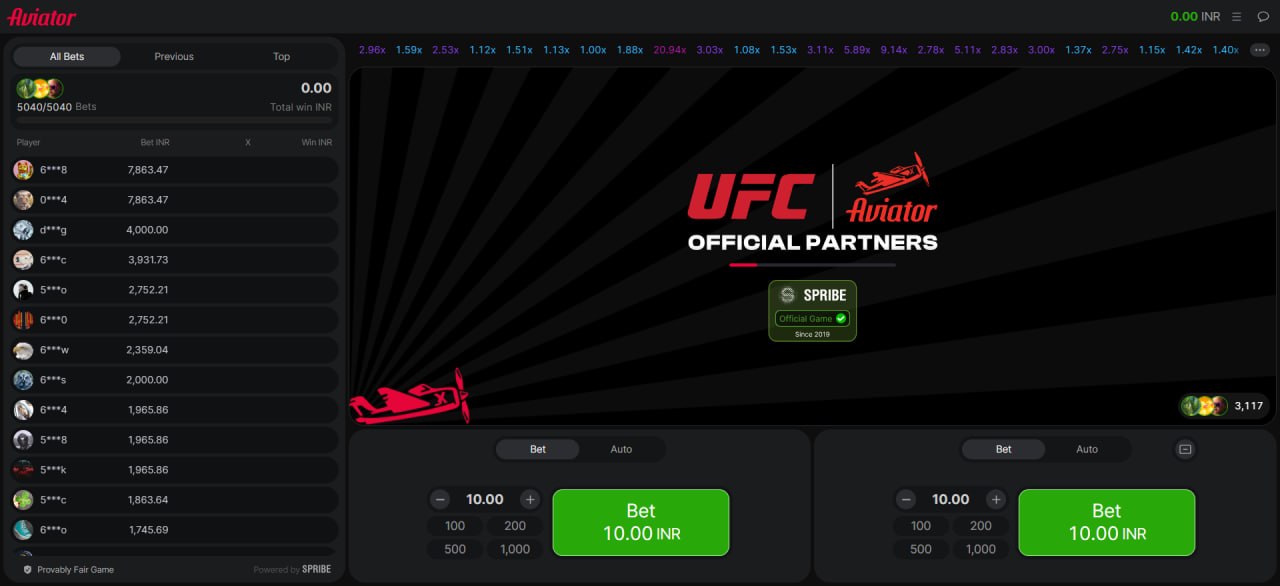
A high-resolution 1280x586 pixel image showing a dramatic moment in the Aviator game, with a crashing airplane and a rising multiplier graph, representing the Aviator Crash Point Insider concept for a blog post.

Conclusion

The illusion of control in Aviator crash gambling is a powerful cognitive bias that leads players to believe they can influence random outcomes. By understanding the game's mechanics, recognizing common behavioral patterns, and applying rational strategies, players can mitigate this bias. Remember that the crash point is always random, and no action can predict or control it. Responsible gambling means accepting this randomness and focusing on entertainment rather than false beliefs in influence.

Frequently Asked Questions (FAQ)

1. What is the illusion of control in Aviator crash gambling?
The illusion of control is a cognitive bias where players believe they can influence the random crash point through actions like timing their cash-out. In reality, the crash point is determined by a provably fair algorithm and cannot be affected by player behavior.

2. Can players actually predict or control the crash point in Aviator?
No. The crash point is generated randomly and independently of any player action, past outcomes, or external factors. Any claims of prediction or control are false and based on cognitive biases.

3. Why do players feel they can time the cash-out correctly?
Players feel they can time cash-outs because the manual cash-out button creates a false sense of causality. Successful cash-outs reinforce the belief that the player's timing is skillful, but this is an illusion—the outcome is random.

4. What are common signs that a player is experiencing this bias?
Signs include overconfidence in predicting crash points, chasing losses by increasing bets after crashes, developing superstitions (e.g., specific cash-out numbers), and believing that past outcomes influence future crashes.

5. How can players avoid falling for the illusion of control?
Players can avoid this bias by setting pre-determined cash-out limits, treating each round as independent, using auto-cash-out features, limiting session time and budget, and educating themselves on gambling psychology and cognitive biases.

Leave a Reply

Your email address will not be published. Required fields are marked *